How to Check if a Seller Has Debts on a Property in Spain
Some debts in Spain follow the property itself, not the person who sold it — here's what to check before you commit.
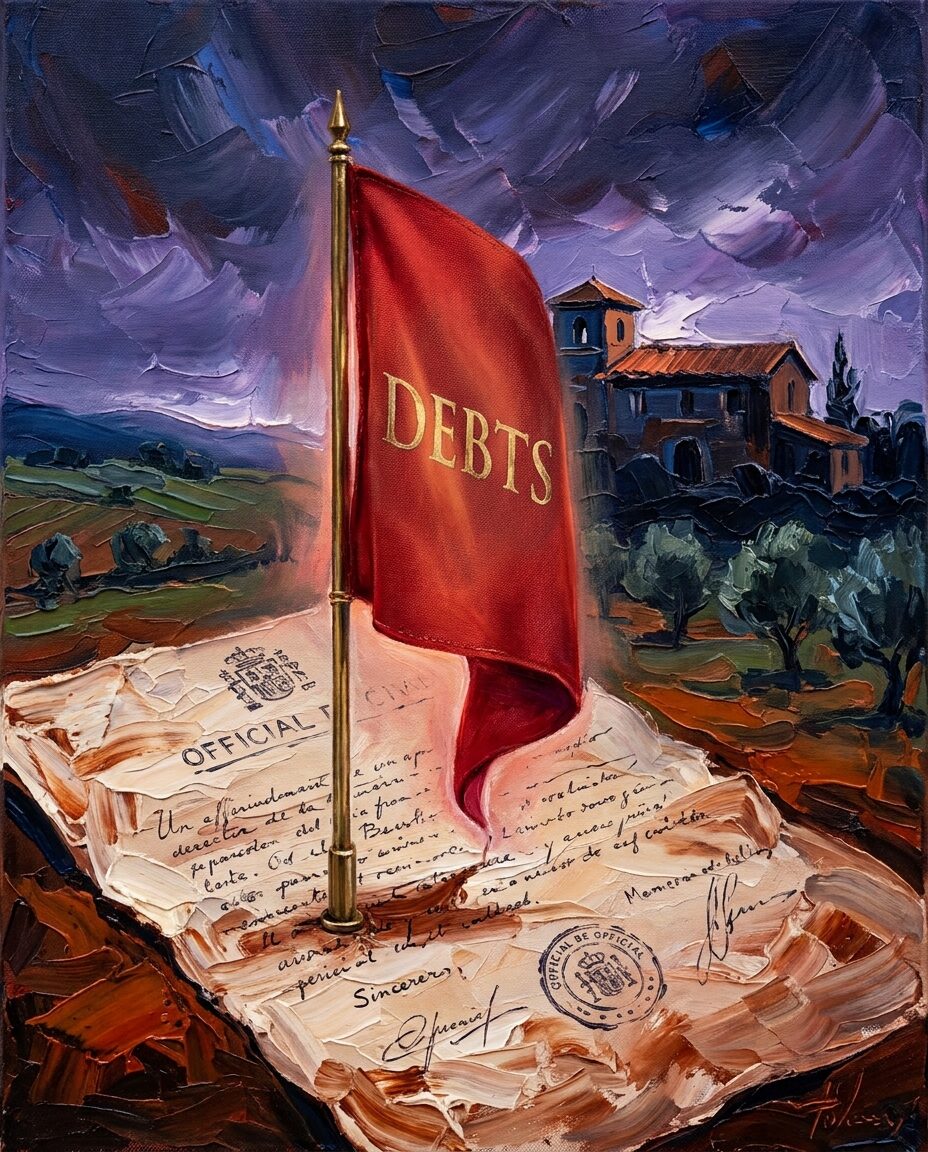
Most Spanish property sales are exactly what they look like. But a small number of debts in Spain are tied to the property itself rather than to whoever happened to own it at the time — which means they can, in some circumstances, become the new owner's problem if nobody checks beforehand. None of the checks below are difficult. They just need to actually happen before you sign anything binding.
Mortgages and other registered charges — the Nota Simple
A Nota Simple is an extract from the Spanish Land Registry (Registro de la Propiedad). It shows the registered owner, the registered description of the property, and any charges against it — mortgages, embargoes, easements and similar. Charges that are not formally cancelled at the registry can pass to a new owner, so this is the first document a lawyer checks, and it is informational rather than the final word: it shows what is registered, not everything that could affect the property.
Unpaid community fees — the one that can genuinely follow the property
If the property is part of a community of owners (an apartment block or an urbanisation with shared areas), unpaid community fees can attach to the property under the Horizontal Property Law: specifically, the unexpired part of the current year plus the three calendar years before it. In the deed, the seller must declare whether the community fees are up to date, and the buyer can ask for a certificate confirming there is no debt attached — the community generally has seven days to issue it, so it is worth requesting early rather than at the last minute.
Property tax (IBI) debts
IBI is the annual local property tax, and a debt on it can attach to the property too. Ask the seller for the most recent IBI receipt, and ask your lawyer or gestor whether a town hall certificate makes sense for your specific purchase.
Ask early, not at the last minute
All three checks take time to arrange — the Nota Simple is quick, but a community debt certificate can take up to a week, and chasing missing paperwork close to a completion date adds unnecessary pressure. The practical approach is to treat these as early-stage checks, run by an independent lawyer who works for you rather than for the seller or the agency, well before any deposit becomes non-refundable.
Frequently asked questions
Can unpaid community fees really become the new owner's responsibility?
Yes, within limits. Under Spain's Horizontal Property Law, the property itself answers for unpaid community expenses from the unexpired part of the current year plus the three calendar years before the purchase. This is exactly why a community debt certificate is worth requesting before completion.
Is a Nota Simple enough on its own to confirm a property is debt-free?
No. It is informational and shows only what is registered — mortgages, embargoes and similar charges at the Land Registry. It does not show unpaid community fees or local tax debts, which need to be checked separately with the community administrator and the town hall.
This article is general information, not tax or legal advice. Rules and rates can change — always confirm current figures with a qualified gestória or lawyer before relying on them.